West End theatres welcome thousands of audience members with access requirements each year, ensuring customers with varied needs – from those who have mobility requirements, wheelchair users, to those who require audio description, or captions and sign language interpretation – can enjoy the theatre.
The booking process for London theatre access tickets varies from venue to venue, with most theatre groups and venues operating their own access schemes. This is to ensure booking is as easy as possible for customers with additional requirements, and also means many theatres can offer discounts on seats for access bookers and their companions or carers. Because of this, tickets with an access discount must be booked with the theatre’s access team.
Contact the Venue
Access bookings must be made directly with the venue, so they can provide all of the necessary information and support you need before attending a show.
Many theatres have dedicated access teams who can advise on discounts available for you and a companion, the best seats for your needs, and any pre-show information that can help you prepare.
Below we’ve included a list of the major venue groups across London, along with links to our SeatPlan venue accessibility pages, and info about each venue group’s access team.
ATG Entertainment Theatres
ATG, or the Ambassador Theatre Group, own 11 venues across London. You can check out the SeatPlan accessibility pages for each venue below.
To book access tickets, contact Nimax Theatre’s access team using the details on our SeatPlan accessibility pages, or the access section of Nimax’s website.
LW Theatres
LW Theatres, aka Lloyd Webber Theatres, is the theatre group of renowned composer Andrew Lloyd Webber. LW Theatres own six venues in London, and you can find the SeatPlan accessibility pages for each below.
To book accessible tickets, contact the LW access team. Contact details can be found via the SeatPlan access pages linked above, or on the LW Theatres website.
Delfont Mackintosh Theatres
Delfont Mackintosh Theatres, theatre producer Cameron Mackintosh’s venue group, owns eight theatres across the West End. The SeatPlan accessibility pages for Delfont Mackintosh Theatres are available below.
Accessible tickets must be booked via the Delfont Mackintosh access team, with further details available on our SeatPlan access pages or the Delfont Mackintosh accessibility section of their website.
Other London and West End Theatres
Independent theatres, which arent owned by any specific theatre group, each have their own access schemes and booking methods. You can check out the accessibility pages for venues featured on SeatPlan below. Email and phone information are available on our venue pages, or you can visit the official website for more information.
SeatPlan are unable to add all London venues at present, so for any venues not listed above, access bookers should check the venue’s website directly for instructions on how to book access tickets.
How Does SeatPlan Support Access Patrons?
While SeatPlan don’t sell access tickets, we can still help you plan your visit with detailed venue accessibility information and user-uploaded seat view photos and reviews from real theatregoers. Plus, you can even add your own photos and earn Theatre Tokens to book your next tickets directly with the venue’s access team!
Real Seat View Photos and Reviews
Need to know if your seat is on the aisle or if you’re close enough to the stage to lip-read? Our user-submitted photos have got you covered.
Each London Theatre listed on SeatPlan has a seating plan with real audience uploaded photos and reviews, which allow you to see what the view is like from your seat before you book. SeatPlan users also give ratings for comfort and legroom, and often mention concerns like vertigo, steep stairs and proximity to exits so you can visualise the layout and experience at the theatre before you get there.
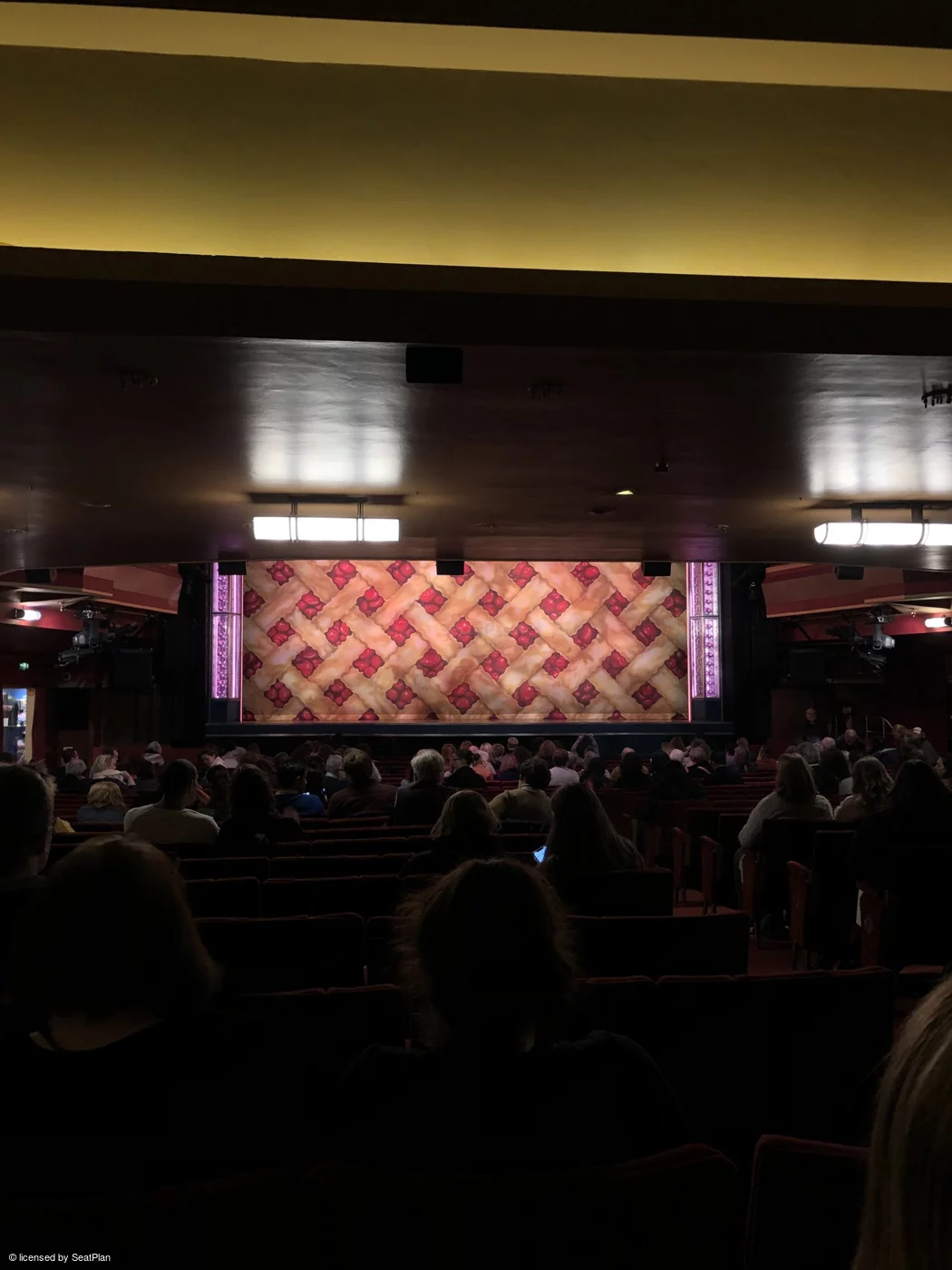
Adelphi Theatre Stalls X23 – “This is a wheelchair space. Plenty of space for me as a powerchair user. The view feels a little far away sometimes. The overhang of the dress circle obstructs the top of the stage but this is not a problem in this production as everything happens on one level.”
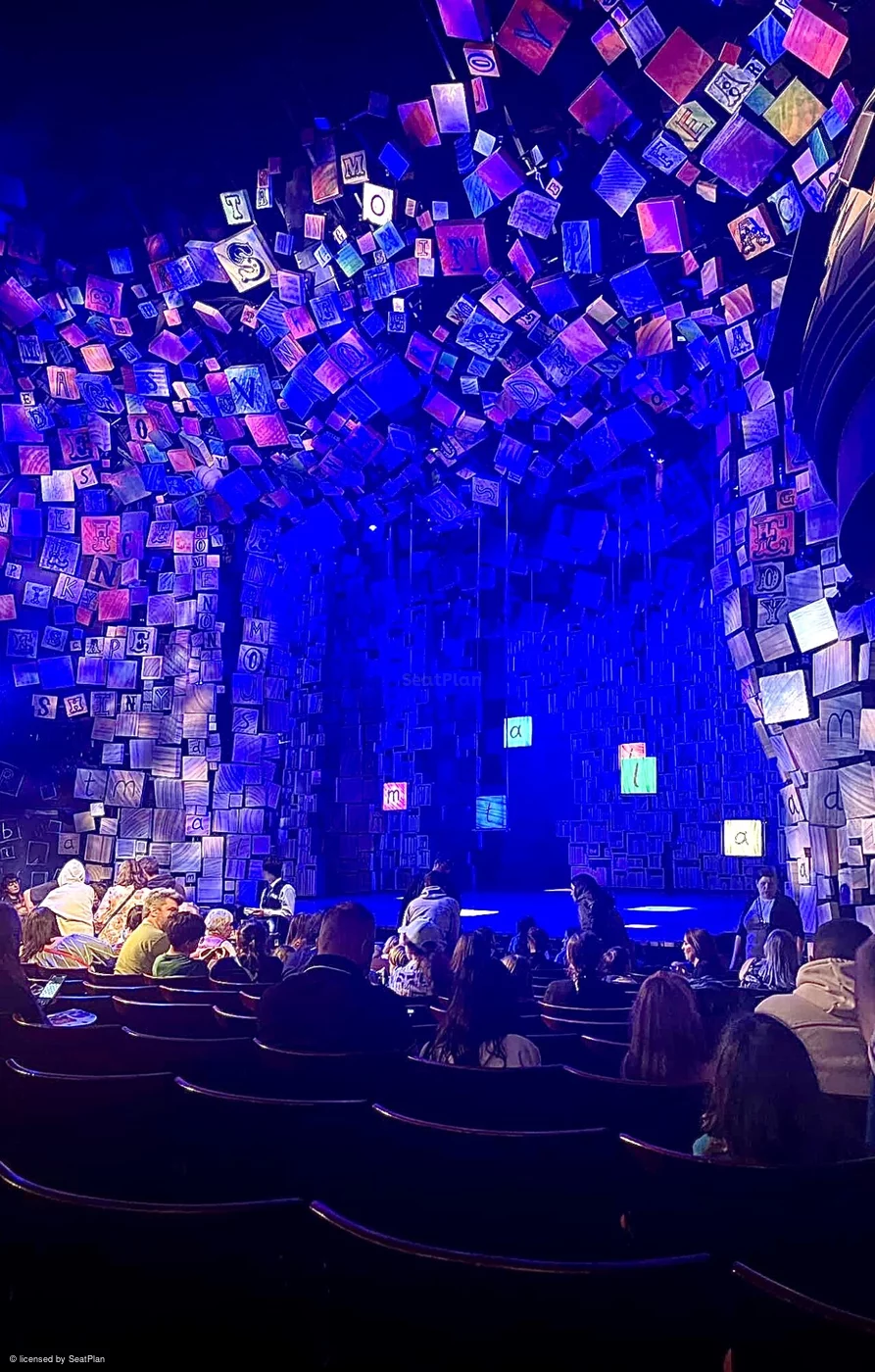
Cambridge Theatre Stalls N1 – “Wheelchair accessible space , sloped ramped entry via side door. Great view from this seat with companion seat next to.”
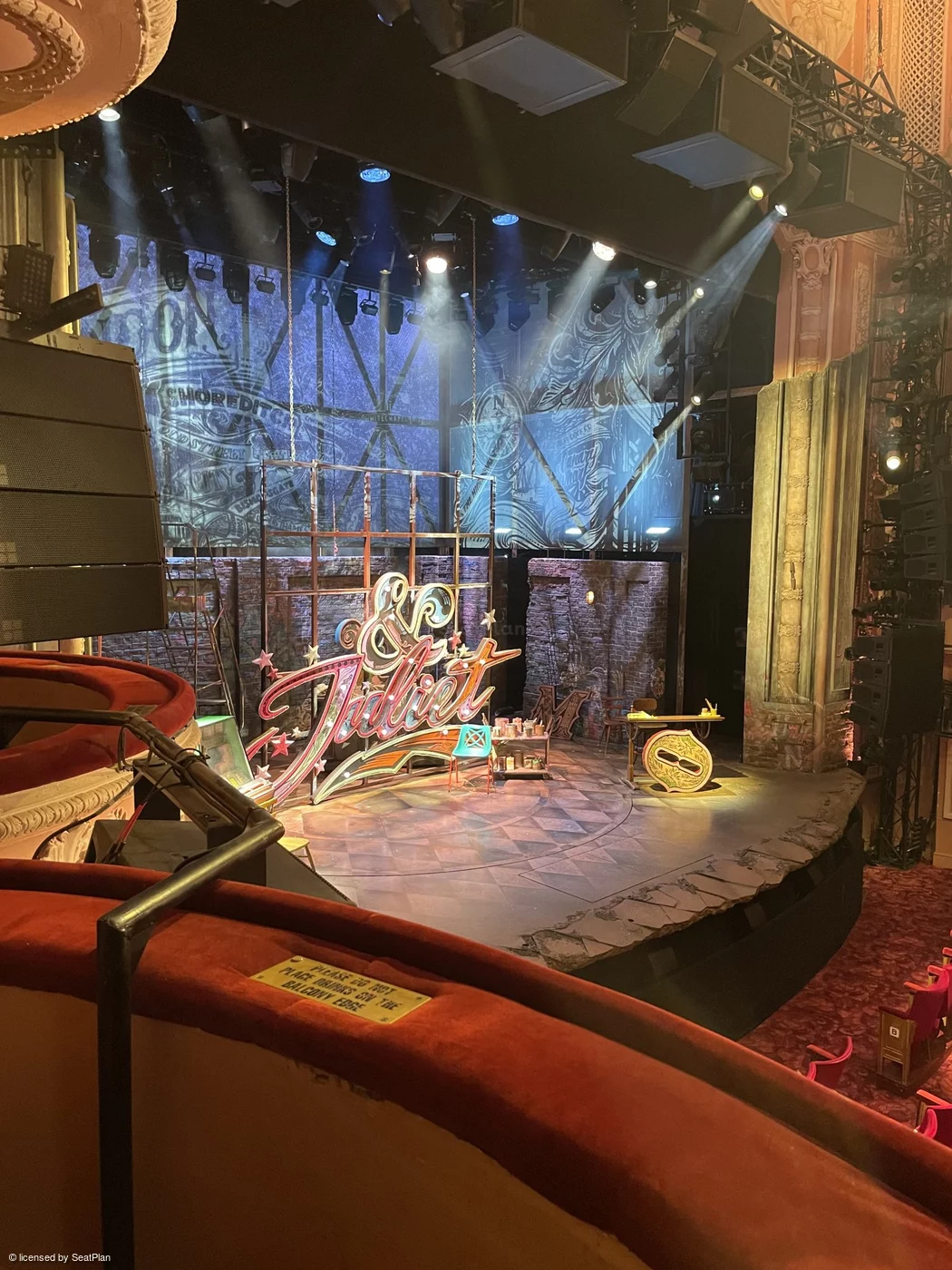
Shaftesbury Theatre Box F1 – “This is a wheelchair space. Absolutely amazing view of the stage, you really only miss the stage right far back corner, but nothing happens there! Plenty of space in the box for a large wheelchair too.”
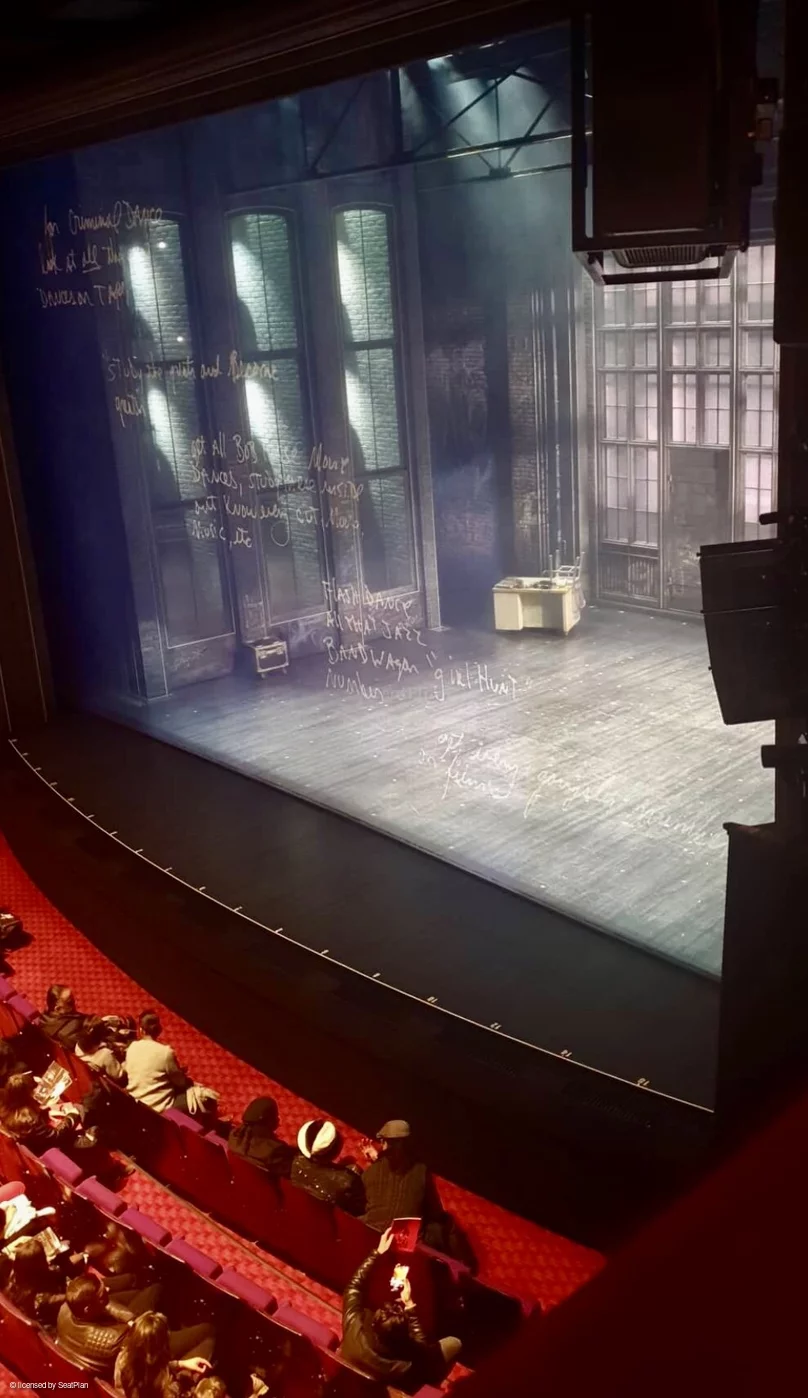
Prince Edward Theatre Box 1-2 – “Wheelchair accessible box, lots of space but you do need to come right to the front of box to see the stage and you do still miss back of stage and back right part of stage. Side door entry via small ramped entry.”
Venue Accessibility Information
There’s a lot more to accessibility than just the seats! Our West End venue accessibility pages include comprehensive information about access into the theatre and auditorium, including details on steps and lifts, and the location of wheelchair and transfer spaces. We’ve linked to our Accessibility pages above under the section ‘How to Book Access Seats’.
We don’t list relaxed performances, hearing loops or audio descriptions because these vary from show to show. Each venue’s access team can provide detailed guidance for specific productions, and you can find their contact details and instructions for how to book on the venue’s accessibility page.
For additional access resources, without seat reviews, Official London Theatre offers supporting info on parking, public transport, captioning and interpretation services for West End theatres.
Add Photos, Earn Rewards
SeatPlan users earn Rewards for uploading view from seat photos and reviews, while also helping other theatregoers know what to expect from their visit.
Rewards points can be redeemed for Rewards Vouchers including Theatre Tokens specifically for access bookers. Tokens are accepted at West End theatres across London.
How London theatre access tickets are booked varies from venue to venue. Some venues allow their access members to book online, while some require bookings to be made via telephone or email. Check the venue’s access page for instructions on how to book.
Eligibility criteria vary by venue group or theatre. Some venues require customers to be in receipt of certain benefits, such as PIP or disability living allowance, or to be a Blue Badge or Access Card Holder, to join their access scheme. Others take applications in good faith from anyone with additional needs or access requirements without requiring proof. Always thoroughly check the venue website to ensure you are eligible for their particular scheme before signing up.
Most access schemes account for the fact that customers may need a carer or companion to accompany them to the theatre. Access discounts vary significantly depending on the theatre – some venues offer a free companion ticket, while other theatres offer a discount for both the access booker and their companion. Again, always check the terms of the access discount with the venue ahead of booking to avoid disappointment.
Most theatre access schemes allow you to sign up online, although some require supporting documentation that may need to be sent via email or uploaded. If you are unable to register online, but can speak over the telephone, many theatres will also assist you in registering over the phone. If you cannot use the telephone or book online, some theatres can also assist in registering via email.
An Access Card, previously known as a Nimbus Card, is a photo ID card that access patrons can register for. Some theatres require patrons to be registered for an Access Card before they can register for the venue’s individual access scheme. The Access Card highlights the customer’s specific needs with symbols, and can be used at venues and events other than theatres. There are two tiers of Access Card – a free card and a paid-for card, which costs £15 for a three-year membership.
More information and details on how to register for an Access Card can be found on the Access Card Website.
Many West End theatres offer captioned performances – which feature subtitles – and audio-described performances for blind or visually impaired patrons. Make sure to check the theatre’s access page and booking calendars for details of when these performances are.
Audio description is a service offered for visually impaired or blind theatregoers. The patron is provided with a headset, which they wear throughout the show. A trained audio describer sits in the auditorium and describes the action live as the show unfolds, which is then broadcast to AD patrons through their headsets. Customers who do not require the description will not hear it.
Audio-described performances are often preceded by a touch tour, during which the customer is guided on stage to meet some of the cast and allowed to touch some of the props and set pieces to create a mental image of the layout.
As audio description is provided live, these performances are specially scheduled, and the service is not available for all shows. Please ensure you check the theatre’s access schedule carefully if you require an audio-described performance.
Captioned performances are performances for d/Deaf and hard-of-hearing patrons, or anyone who may need subtitles. Electronic screens are displayed at the side or top of the stage and display subtitles, surtitles, or captions as the action unfolds. The positioning of the screen(s), and where best to view them from, varies from venue to venue, so always check with the theatre’s access team before you book.
Captions are usually provided live, from the provided script, and therefore are scheduled for specific dates. Captions are not generally available at all performances (unless otherwise stated on the theatre’s website or for shows such as operas which are performed in another language).
Some theatres provide additional captioning devices for customers to use outside of scheduled captioned performances. These can include apps which display captions on the customer’s mobile device or even smart glasses.
A hearing loop, sometimes known as an induction loop, is a device that amplifies the sound of a performance for hard-of-hearing patrons. It is similar to headphones, and a theatregoer will switch it on and wear it in their ears during the performance.
The amplified sound is broadcast to the devices via an infrared system throughout the theatre auditorium, which usually makes it compatible with hearing aids that have a T setting, as well as loop devices. If you are a hearing aid user who wants to access the infrared system, speak with the front-of-house staff at the theatre for assistance. Unlike captions or audio descriptions, hearing loops are generally available for all performances.
Most West End theatres operate infrared systems which work with hearing aids or hearing loops, and can provide loops for customers who need them. If you require a hearing loop, it is always worth checking if they are provided before you arrive at the theatre.
Some theatres require a deposit to be paid to use a hearing loop. This is repaid once the hearing loop is returned. Theatres may only have a limited number of loops available on a first-come, first-served basis, so it is advised that customers who require a loop arrive as early as possible.
BSL stands for British Sign Language. A BSL performance is for d/Deaf or hard-of-hearing patrons who have BSL as a first or second language. At a BSL performance, a sign language interpreter is usually placed at the side of the stage and translates spoken dialogue into BSL during the show. As this service is provided live, BSL performances are scheduled and not available for all dates. Make sure to check the theatre website carefully for BSL performance dates if required.
A relaxed performance is a specially altered performance, designed for theatregoers with autism, learning difficulties, or who may benefit from a more relaxed environment to watch a show. Small changes are made to the production, which may include removing or quietening loud or sudden noises, lowering general audio levels, tweaking certain lines, and raising or keeping on the house lights throughout the show. Some relaxed performances may also have a performer introduce the show and what to expect, and some theatres offer a chill-out space in the venue’s front-of-house areas for anyone who feels overwhelmed and needs a safe space outside of the auditorium.
Patrons are usually free to make noise, stand or move around, and leave and re-enter the auditorium during a relaxed performance. Some theatres allow babes in arms during relaxed performances. Amendments to the show for relaxed performances will vary from venue to venue, with some shows requiring extensive changes, while others have very minimal alterations.
Many theatres also offer a pre-show document known as a visual story, which outlines what to expect from the show, available upon request, to be read ahead of a relaxed performance.
Step-free access varies significantly from theatre to theatre. Many West End theatres are very old, and their status as listed buildings means that alterations – such as installing lift access, ramps or handrails – may not be possible. Most theatres offer some level of step-free access, but it is always worth checking ahead with the venue to ensure the seats you are booking are suitable for your needs.
Most West End theatres offer wheelchair spaces for patrons who require them. Wheelchair spaces sometimes cannot be booked online (to avoid customers who do not need them booking them by accident), so wheelchair users may need to contact the theatre directly. Wheelchair spaces are usually accompanied by a companion seat next to them or nearby.
For customers who prefer to transfer into a seat, many theatres offer wheelchair transfers to aisle seats and can store wheelchairs during the show.
Many theatres in the West End are in central London, where on-street parking is incredibly limited. Some venues outside of the West End may offer on-street parking for Blue Badge Holders, but these are often available on a first-come, first-served basis. Check the venue website and other resources such as Official London Theatre for more information on accessible parking.
Let Us Know Your Thoughts!
Do you have any questions or comments about access bookings for West End theatres? Let us know in the comments below.
Originally published on Jun 12, 2026
Comments
benjackson
September 30, 2026
Hi SeatPlan, while I am not looking for an accessible seat, I am only interested in sitting in the stalls to make my visit as step free as possible. Is there a way to see the best stalls seats for all musicals on your site?
1. Select a date, number of tickets and price per ticket and click Search. You’ll then see more options to filter the results.
2. Click on Section to choose the Stalls and click Apply.
3. Click on Seat Ratings to choose a minimum audience rating for view and/or legroom and click Apply.
The results on the page will display Stalls seats within your budget for musicals in London on your chosen date.
I hope this helps, but if you need more assistance with your booking please do get in touch!

Comments
Hi SeatPlan, while I am not looking for an accessible seat, I am only interested in sitting in the stalls to make my visit as step free as possible. Is there a way to see the best stalls seats for all musicals on your site?
Hi Ben, you can view the best Stalls seats using our on-page search filters. For example, on https://seatplan.com/london/whats-on/musicals/:
1. Select a date, number of tickets and price per ticket and click Search. You’ll then see more options to filter the results.
2. Click on Section to choose the Stalls and click Apply.
3. Click on Seat Ratings to choose a minimum audience rating for view and/or legroom and click Apply.
The results on the page will display Stalls seats within your budget for musicals in London on your chosen date.
I hope this helps, but if you need more assistance with your booking please do get in touch!